Have you ever woken up from a dream filled with bright colors and wondered what they meant? Perhaps you saw a beautiful blue sky, a red dress, a green forest, or a room painted in shades of yellow. These details can stay in your mind long after you open your eyes.
Understanding the dream in color meaning can help you explore the emotions, memories, and personal experiences behind your dreams.
Dreaming in color is a common experience, although not everyone remembers colors when they wake up. Some people recall vivid shades and clear images, while others remember only the events or feelings of a dream. The colors you notice may reflect emotional associations, recent experiences, or memories stored in your mind.
Psychology offers useful ways to understand these experiences. Sleep research also helps explain how dreams form and why some details become easier to remember than others. Spiritual traditions offer another perspective, often linking colors with themes such as love, peace, growth, and change.
Evem so, dream colors do not have one universal meaning. Their significance depends on the dream, your feelings, your personal history, and your cultural background.
This guide explores what colorful dreams may mean from scientific, psychological, emotional, and spiritual perspectives.
Key Takeaways
- Dreaming in color is a normal experience and does not automatically carry a hidden message.
- Colors in dreams may connect with emotions, memories, and daily experiences.
- Red can suggest passion or anger, while blue may represent calm or sadness, depending on context.
- Spiritual color meanings vary across cultures and belief systems.
- Black-and-white dreams are also normal and do not indicate a problem.
- Your personal feelings during a dream are more useful than a universal color dictionary.
- Keeping a dream journal can help you notice patterns over time.
1. Is It Normal to Dream in Color?
Yes. Dreaming in color is completely normal. Many people remember colorful dreams, while others recall dreams without clear colors. Some people also experience dreams that feel bright and realistic, almost like watching a movie.
Dream experiences vary from person to person. Even the same person may have colorful dreams one night and less colorful dreams another night.
Why Do Some People Dream in Color?
There is no single explanation for why people experience or remember color differently in dreams. Several factors may play a role:
Memory and visual experience: Your brain uses stored information from daily life when creating dream images. Colors you see in nature, clothing, photographs, and digital screens may become part of dream experiences.
Emotional experiences: Strong feelings can make certain dream images more memorable. A bright red object or a peaceful blue ocean may stand out because of the emotions connected to it.
Dream recall: Some people remember visual details more clearly than others. If you wake up during or soon after a dream, you may have a better chance of recalling its colors.
Age and media exposure: Research has explored whether age and exposure to color television and other media relate to dream color reports. However, these findings do not establish a simple cause-and-effect relationship.
Do People Always Dream in Color?
Not necessarily. Some people report black-and-white dreams, while others experience a mixture of color and grayscale images.
Research into dream color has changed over time. Older studies often reported more black-and-white dreams, while later research found that colorful dream experiences were more common. Differences in research methods, memory, age, and media exposure may help explain these results.
The important point is that both colorful and less colorful dreams are normal.
2. The Psychology and Science Behind Colorful Dreams
Dreams are complex experiences connected to sleep, memory, emotions, and brain activity. Scientists continue to study why dreams happen and how the brain creates the images we experience.
Although research cannot explain every dream, it offers useful insights into colorful dream experiences.
How the Brain Creates Dream Images
Dreams occur during different stages of sleep, including rapid eye movement (REM sleep). REM sleep is often linked with vivid and emotional dreams, although dreams can also occur during non-REM sleep.
During sleep, the brain remains active. It processes information, draws on memories, and creates experiences that may combine familiar places, people, objects, and unusual events.
A dream may place you in a childhood home that looks different from the real one. You might see a purple sunset, a green ocean, or a red sky. These unusual details do not necessarily have a hidden meaning.
They may simply reflect the creative and sometimes unpredictable nature of dreaming.
Why Do Colors Feel Emotionally Powerful?
Colors often carry emotional associations in everyday life.
For example, many people connect blue with peace, red with excitement, and green with nature. These associations can influence how people understand colors in dreams.
However, color psychology is not a universal rulebook. Personal memories, cultural experiences, and individual preferences can change what a color means to someone.
A red car may remind one person of freedom and adventure. Another person may connect it with a frightening accident. The same dream color can therefore create very different feelings.
Can Your Daily Life Influence Dream Colors?
Yes, recent experiences may influence dream content.
If you spend the day near a beach, you may dream about blue water. If you attend a wedding, you might dream about colorful clothing and decorations.
This does not mean that every dream directly repeats a daily event. Dreams often mix recent experiences with older memories and emotions.
Researchers sometimes discuss this connection through the ideas of memory consolidation and emotional processing. These are active areas of scientific study, and they do not provide a complete explanation for every dream.
3. Dream in Color Meaning: What Different Colors May Symbolize
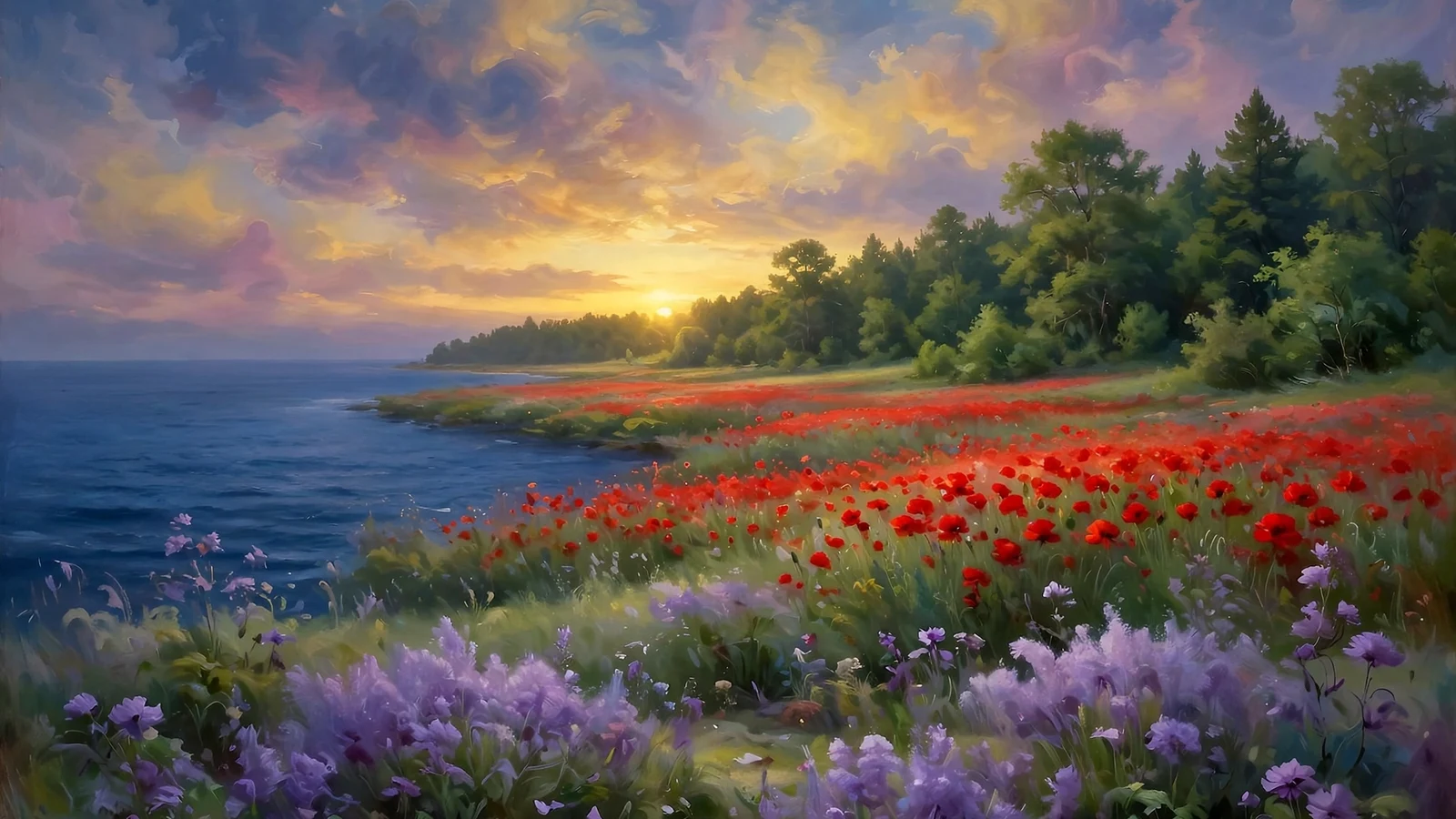
Color symbolism can help you explore the emotional themes of a dream. Still, these interpretations are possibilities rather than proven psychological facts or predictions.
The best way to understand a color is to consider what it means to you and how it appears in the dream.
Red: Passion, Energy, or Anger
Red is a strong and noticeable color. In dream symbolism, it is often associated with passion, courage, excitement, anger, and intense emotions.
Seeing red flowers may connect with love or attraction. A red warning light might reflect caution or stress. Red clothing could represent confidence or a desire to stand out.
Ask yourself whether the red object made you feel excited, comfortable, threatened, or uncomfortable.
Blue: Peace, Trust, or Sadness
Blue is commonly linked with calmness, trust, reflection, and emotional depth.
A dream about a clear blue ocean may suggest peace or a desire for emotional balance. Dark blue surroundings could feel mysterious or lonely, depending on the dream.
If blue makes you feel safe, your personal association may be more important than a traditional dream interpretation.
Green: Growth, Healing, and New Beginnings
Green is often connected with nature, renewal, health, and personal growth.
Dreaming about a green garden may reflect a desire for balance or a fresh start. Green trees could remind you of stability, while a green field may create a sense of freedom.
In some cultural and spiritual traditions, green also represents prosperity and abundance.
Yellow: Happiness, Hope, or Caution
Yellow often symbolizes sunlight, optimism, creativity, and mental energy.
A bright yellow flower may represent happiness or a positive outlook. A pale or unpleasant shade of yellow may feel uncomfortable or remind you of illness, depending on your experiences.
The feeling you experienced in the dream can help you understand the difference.
White: Peace, Purity, and Fresh Starts
White is frequently associated with simplicity, innocence, peace, and new beginnings.
A white room may feel calm and open. White clothing might connect with an important life event or personal values.
However, white also has different cultural associations. In some communities, it is connected with mourning and remembrance. Its meaning depends on your background and the dream’s setting.
Black: Mystery, Fear, or the Unknown
Black often represents mystery, uncertainty, endings, or the unknown in symbolic interpretations.
A dark road may reflect uncertainty about a decision. Black clothing might represent formality, strength, or sadness.
Dreaming about black does not mean something bad will happen. Darkness can also create a sense of safety, privacy, or rest.
Purple: Creativity, Wisdom, and Spirituality
Purple is often connected with imagination, individuality, mystery, and spiritual reflection.
A purple sky might represent wonder or a desire to explore something new. Purple flowers could remind you of beauty, creativity, or a meaningful memory.
Some spiritual traditions associate purple with wisdom and higher awareness. These are cultural and symbolic beliefs, not scientifically established dream meanings.
Pink: Love, Kindness, and Emotional Warmth
Pink is commonly associated with affection, tenderness, friendship, and compassion.
A pink dress or flower may reflect a loving relationship or a desire for emotional comfort. A pink room might remind you of childhood, safety, or a happy memory.
Your own experience with the color should guide your interpretation.
Orange: Confidence, Creativity, and Enthusiasm
Orange combines the warmth often associated with red and the brightness linked with yellow.
In dream symbolism, it may represent excitement, social energy, creativity, or motivation.
An orange sunset could feel inspiring, while a crowded orange room might create a sense of pressure. The surrounding details help shape its possible meaning.
Quick Guide to Dream Color Symbolism
| Dream color | Common symbolic associations | Questions to consider |
|---|---|---|
| Red | Passion, anger, energy | Was I excited or threatened? |
| Blue | Peace, trust, sadness | Did I feel calm or lonely? |
| Green | Growth, renewal, nature | Am I ready for change? |
| Yellow | Joy, hope, caution | Did the color feel bright or unpleasant? |
| White | Peace, purity, beginnings | Did I feel safe or isolated? |
| Black | Mystery, uncertainty | What feels unknown in my life? |
| Purple | Creativity, spirituality | Am I exploring new ideas? |
| Pink | Love, kindness | Who or what makes me feel cared for? |
| Orange | Enthusiasm, confidence | Do I want more excitement? |
4. Spiritual Meaning of Dreaming in Different Colors
Many spiritual traditions view colors as symbols of energy, emotions, personal growth, and spiritual awareness.
From this perspective, dreaming in color may encourage you to reflect on your inner life. A colorful dream might feel meaningful because it connects with your beliefs, values, or personal experiences.
However, spiritual interpretations are not scientific facts. They vary across religions, cultures, and individual belief systems.
Are Colorful Dreams a Spiritual Message?
Some people believe that vivid colors in dreams carry spiritual messages. For example, they may connect blue with peace, green with healing, or purple with spiritual growth.
Others see colorful dreams as a form of self-reflection rather than communication from a spiritual source.
Neither interpretation can be proven through dream color alone.
If a dream feels spiritually meaningful, consider how it relates to your current concerns, relationships, and personal values. You do not need to treat it as a prediction or warning.
Do Bright Colors Have a Special Spiritual Meaning?
Bright colors may feel powerful because they attract attention and create strong emotional impressions.
A bright golden light might remind you of hope, gratitude, or inspiration. A colorful garden could bring thoughts of growth and renewal.
In spiritual symbolism, such images may represent positive personal themes. But their meaning depends on your own beliefs and the situation in which they appear.
5. What Does It Mean When You Dream in Bright or Dull Colors?
Not all colorful dreams have the same visual quality. Some are filled with vivid shades, while others appear faded, pale, or almost gray.
The difference may influence how you remember and describe the dream.
Dreaming in Bright, Vivid Colors
Bright colors can make a dream feel intense, exciting, or emotionally important.
For example:
- A bright blue ocean may create a sense of freedom.
- A colorful garden may remind you of happiness and growth.
- A vivid red sunset may feel exciting or dramatic.
- A bright yellow room may create feelings of warmth.
These experiences do not prove that your brain is sending a specific message. They may reflect the emotional impact of the dream.
Dreaming in Faded or Dull Colors
Muted colors may create a quieter or less intense atmosphere.
A gray sky might feel peaceful, lonely, or uncertain. A faded photograph in a dream could remind you of the past. Pale surroundings might also reflect the way you remember the dream after waking.
Do not assume that dull colors always indicate sadness or negative energy.
Dreaming in Black and White
Black-and-white dreams are also normal.
Some people remember their dreams without clear color, while others report experiencing actual grayscale imagery. Memory and the way people describe dreams can make these experiences difficult to separate.
A black-and-white dream does not automatically mean emotional emptiness, depression, or spiritual disconnection.
6. How to Interpret Your Colorful Dreams Correctly
Understanding a dream is not about finding one perfect definition for every color. It is about exploring how the dream connects with your personal experiences.
A thoughtful approach can help you find useful patterns without making unsupported assumptions.
Step 1: Remember the Main Dream Events
Start by writing down what happened.
Did you walk through a colorful forest? Were you wearing red clothing? Did you see a blue river or a yellow house?
Focus on the main events before trying to interpret individual details.
Step 2: Identify the Strongest Color
Think about which color attracted your attention.
Was it one bright shade or a mixture of several colors? Did the colors look natural, unusual, or exaggerated?
The most noticeable color may provide a useful starting point for reflection.
Step 3: Notice Your Emotions
Your feelings can offer more useful information than a general color definition.
For example, a black room may feel frightening to one person but peaceful to another. A red flower might create happiness rather than anger.
Ask yourself:
- How did I feel during the dream?
- Did the color make me comfortable or uncomfortable?
- Did I recognize the place or object?
- Did the dream remind me of a real-life experience?
Step 4: Connect the Dream With Recent Experiences
Think about what has happened in your life recently.
Have you started a new job? Are you dealing with a difficult relationship? Have you been planning a major change?
A dream may bring together feelings and memories connected with these experiences.
However, avoid forcing a connection when none feels natural.
Step 5: Look for Repeated Patterns
If you often dream about the same color, notice when it appears and how you feel.
For example, you may repeatedly dream about green spaces during periods when you want more peace or personal growth.
This pattern may help you understand your emotional associations. It does not prove that the color predicts future events.
Step 6: Keep a Dream Journal
A dream journal can help you remember details and identify recurring themes.
Record the date, main events, colors, emotions, and any possible connections with daily life.
Over time, you may discover that certain colors remind you of specific people, places, or experiences.
7. Common Colorful Dream Scenarios and Their Possible Meanings
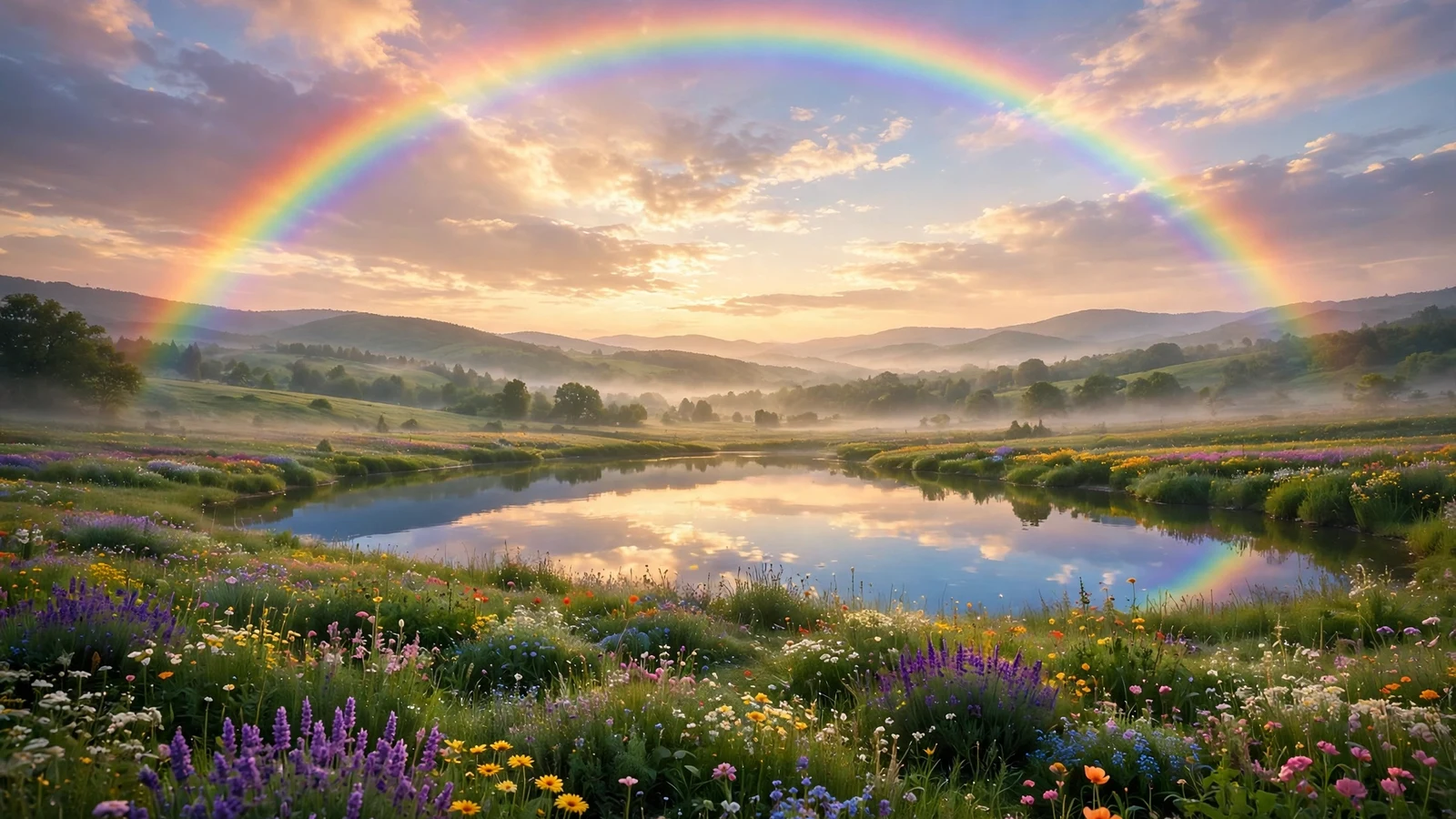
The meaning of a dream depends on more than its colors. The people, objects, setting, and emotions all contribute to the experience.
Here are some common examples.
Dreaming of a Colorful Rainbow
A rainbow may symbolize hope, beauty, optimism, or a new perspective in traditional dream interpretations.
If you feel happy while seeing a rainbow, it may reflect positive emotions or appreciation for something in your life.
Some spiritual traditions also view rainbows as symbols of connection and renewal. These meanings are symbolic rather than proven predictions.
Dreaming of a Colorful Garden
A garden filled with flowers may suggest growth, creativity, peace, or emotional nourishment.
If the garden looks healthy, you may connect it with something positive in your life. A neglected garden might remind you of an area that needs attention.
Consider whether the garden feels familiar and what it represents to you.
Dreaming of a Blue Ocean
A blue ocean may connect with calmness, emotional depth, freedom, or uncertainty.
Clear water may create a peaceful feeling, while rough waves may reflect tension or excitement.
The ocean itself does not have one fixed meaning. Your experience of the water matters most.
Dreaming of Bright Red Flowers
Red flowers are often associated with love, passion, beauty, and strong emotions.
If you receive red flowers in a dream, consider whether they remind you of a relationship, celebration, or meaningful memory.
If the flowers create discomfort, explore what makes the image feel unpleasant rather than assuming it has a negative meaning.
Dreaming of a Colorful Sky
A colorful sky may represent wonder, hope, change, or imagination.
A bright sunrise may remind you of a new beginning. A dramatic sunset might encourage reflection about change or the passage of time.
These are possible personal associations, not universal messages.
8. When Should You Pay Attention to Colorful Dreams?
Most colorful dreams do not require special attention. They are a normal part of the wide range of experiences people have during sleep.
Still, a recurring dream may be worth exploring if it connects with strong emotions or ongoing concerns.
Recurring Dreams and Emotional Patterns
If you repeatedly dream about the same color or situation, consider whether something in your waking life feels unresolved.
For example, repeated dreams about a dark hallway might connect with uncertainty about a decision. A recurring green landscape might remind you of a place where you feel safe.
These connections are personal interpretations, not clinical diagnoses.
When Dreams Affect Your Sleep
A vivid or frightening dream may occasionally disturb your sleep. This can happen during periods of stress, after difficult experiences, or for other reasons.
If nightmares happen often, cause significant distress, or interfere with daily life, consider speaking with a qualified healthcare professional.
A professional can help explore possible causes and discuss suitable support. You do not need to interpret a frightening dream as a warning about the future.
Conclusion: Understanding the Meaning of Dreams in Color
Dreaming in color can be a fascinating experience. Bright shades, unusual combinations, and familiar colors may make dreams feel meaningful and memorable. The dream in color meaning, however, is not the same for everyone. It depends on personal memories, emotions, cultural background, and the events within the dream.
Psychology and sleep science offer helpful ways to understand how dreams connect with memory and emotional experiences. Traditional and spiritual interpretations provide additional symbolic perspectives, but they should not be confused with proven scientific explanations.
The most useful approach is to consider the whole dream rather than focusing on one color alone. Notice what happened, how you felt, and whether the experience connects with anything in your waking life.
Whether you dream of a peaceful blue ocean, a bright yellow sun, or a mysterious purple sky, remember that your personal associations matter. Use your dreams as an opportunity for reflection, not as fixed predictions or reasons to fear what may happen next.
FAQs:
1. What does it mean when you dream in color?
Dreaming in color may reflect emotions, memories, and personal experiences. Different colors can carry symbolic associations, but their meaning depends on the dream’s context and your feelings. There is no scientifically proven universal meaning for specific dream colors.
2. Is dreaming in bright colors a good sign?
Not necessarily. Bright colors may make a dream feel exciting, peaceful, or emotionally intense. Whether the experience feels positive or negative depends on the images, events, and emotions involved.
3. What does it mean to dream in black and white?
Black-and-white dreams are a normal variation of dream experiences. They may relate to how you experience or remember dreams, but they do not automatically suggest sadness, emotional problems, or negative energy.
4. Why do I keep dreaming about the same color?
Repeated colors may reflect personal associations, memories, or recurring emotional themes. Notice when the color appears, what happens around it, and how you feel. A dream journal can help you identify possible patterns.
5. Do different dream colors have spiritual meanings?
Some spiritual traditions associate red with passion, blue with peace, green with renewal, and purple with spiritual awareness. These meanings vary across cultures and belief systems. They are symbolic interpretations rather than scientifically verified messages or predictions.

Olivia Harper is a dedicated content creator at WorldofDreamsz.Com sharing powerful insights about dreams, prayers, and biblical meanings. Her writing helps readers discover hidden messages and find direction in their spiritual journey.