
The Moody Blues’ “Your Wildest Dreams” is a memorable 1986 song about love, memories, and the emotions that return when we look back on someone from our past.
Written by band member Justin Hayward, the track combines catchy melodies, expressive vocals, and a polished 1980s synth-pop rock sound.
Featured on the album The Other Side of Life, it marked an important moment in the band’s musical development and introduced its music to a wider audience.
Beyond its commercial success, the song connects with listeners through its timeless theme of lost love and unanswered questions. It invites us to wonder how a past relationship might have unfolded and whether those memories still hold meaning today.
From its background and lyrics to its music video, chart performance, and lasting appeal, “Your Wildest Dreams” remains a memorable part of The Moody Blues’ musical legacy.
Key Takeaways
- “Your Wildest Dreams” was released as a single in April 1986.
- Justin Hayward wrote the song, and Tony Visconti produced it.
- The track appears on The Other Side of Life.
- It reached No. 9 on the US Billboard Hot 100.
- Its central themes include nostalgia, lost love, and looking back on earlier relationships.
- The song helped define the Moody Blues’ successful 1980s period.
1. What Is “Your Wildest Dreams” by The Moody Blues?
“Your Wildest Dreams” is a pop-rock song by the English band The Moody Blues. Released in 1986, it became one of the group’s best-known songs from the decade. It combines a memorable chorus, expressive vocals, and synthesizer-led production with a story centered on memories of an earlier romance.
The track was written by Justin Hayward. Hayward was already an important creative force in the band, known for writing several of its best-loved songs. With “Your Wildest Dreams,” he helped shape a sound that reached audiences who enjoyed both classic rock and contemporary 1980s pop.
The single appeared on the band’s album The Other Side of Life. Released during a period when synthesizers and electronic production were changing mainstream rock, the album represented a more modern direction for the group.
Quick facts about the song
| Detail | Information |
| Song title | Your Wildest Dreams |
| Artist | The Moody Blues |
| Songwriter | Justin Hayward |
| Producer | Tony Visconti |
| Single release | April 1986 |
| Album | The Other Side of Life |
| Record label | Polydor |
| Main genre | Pop rock / synth-pop |
| US Billboard Hot 100 peak | No. 9 |
These details are supported by the band’s historical timeline and music reference sources. Track lengths differ across releases, so the album and single versions should not be assumed to have the same duration.
Why the song remains recognizable
The track works on two levels. Its melody is accessible enough for casual listening, while its emotional subject gives listeners a reason to return to it.
The production also reflects its time. Instead of relying only on the layered orchestral textures associated with some earlier Moody Blues recordings, the song uses a more contemporary arrangement with electronic sounds and a clear pop structure.
That combination helped the band reach listeners beyond its established progressive-rock audience.
2. The Meaning Behind “Your Wildest Dreams”
At its heart, “Your Wildest Dreams” is about remembering a past relationship and wondering what became of the person who once mattered so much. It looks at love through the perspective of time, when memories can feel vivid even after two people have gone their separate ways.
The song does not need an elaborate plot to communicate its emotions. Its strength comes from the contrast between the happiness associated with earlier experiences and the uncertainty of the present.
Nostalgia and the power of memory
Nostalgia is a feeling of connection to an earlier period in life. It can bring comfort, sadness, gratitude, or several emotions at once.
In “Your Wildest Dreams,” memories of a former relationship become a way to revisit a different stage of life. The person remembering may wonder whether the other individual also thinks about the past or whether those shared experiences have faded into history.
This makes the song relatable even to listeners who have never experienced the exact situation described. People often look back on old friendships, school romances, family experiences, or important life changes and wonder how others remember them.
Lost love and unanswered questions
The song also captures the uncertainty that can follow a breakup or a long separation.
Sometimes a relationship ends without giving either person a clear sense of closure. Years later, a photograph, a familiar place, or a particular melody can bring old feelings back.
The song’s emotional appeal comes from leaving room for these questions rather than providing a simple answer. It invites listeners to consider the difference between remembering someone and wanting to return to the past.
Does the song suggest that former lovers will reunite?
Not necessarily. A reflective song about past love does not automatically promise reconciliation.
One listener might hear hope in its emotional tone. Another might hear acceptance, regret, or the quiet recognition that life has moved forward. These are reasonable personal interpretations, rather than a single confirmed explanation of every line.
The most useful way to understand the song is to consider how its themes connect with your own experiences without assuming that every listener must feel the same way.
3. Justin Hayward’s Role in Creating the Song
Justin Hayward is central to the identity of “Your Wildest Dreams.” As its songwriter and lead vocalist, he brings together the melody, narrative, and emotional tone that make the recording distinctive.
His work with the Moody Blues spans several important phases of the band’s history. He joined the group in the 1960s and contributed to its evolution from an early British rock band into a group associated with melodic songwriting, ambitious arrangements, and atmospheric albums.
Hayward’s songwriting style
Hayward’s songs often place personal feelings within a broader musical setting. His writing can be direct enough to understand on first listen while leaving room for reflection over time.
In “Your Wildest Dreams,” the subject of looking back on a relationship provides a clear emotional center. Rather than depending on a complicated story, the song uses melody and mood to make its theme memorable.
That approach helps explain why the track works for different generations. Younger listeners may connect with the experience of missing someone, while older listeners may hear it through memories of relationships and experiences from decades earlier.
His contribution to the Moody Blues’ sound
Hayward was not the only member responsible for the band’s identity, but his songwriting became a major part of its catalogue.
Other well-known songs associated with his writing include “Nights in White Satin,” “Question,” and “I Know You’re Out There Somewhere.” His work often blends reflective lyrics with strong melodic hooks, though each recording has its own musical character.
The band’s official history places “Your Wildest Dreams” among the successful singles that helped sustain its popularity during the 1980s.
4. The Other Side of Life: The Album Behind the Hit
diggovinyl.com
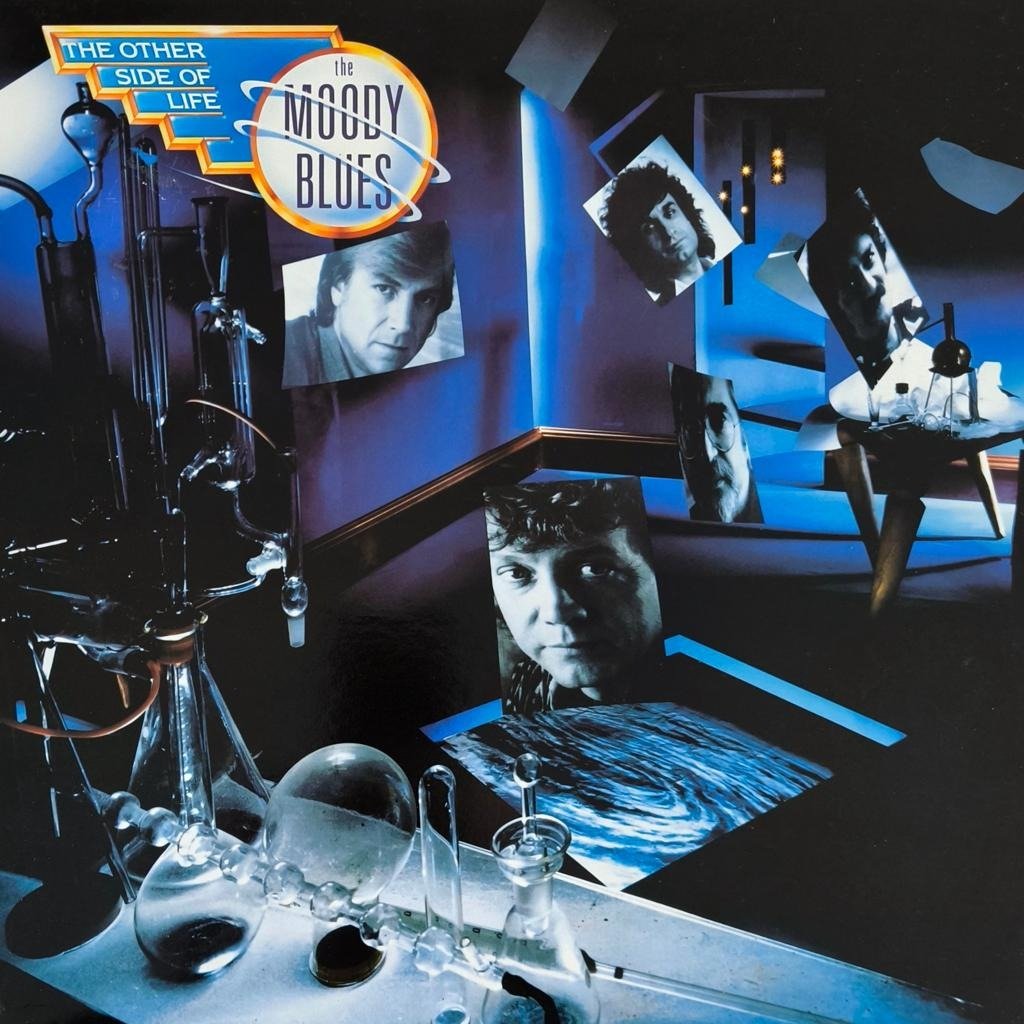
The Other Side of Life provides the album context for “Your Wildest Dreams.” The Moody Blues released the studio album in April 1986, during a period when the band was embracing a more electronic and contemporary production style.
The album was produced by Tony Visconti, whose career includes work across several decades of popular music. His production helped give the record a polished sound suited to the musical climate of the 1980s.
Why the album marked a change
The Moody Blues had become known for rich arrangements and atmospheric records in the late 1960s and 1970s. By the middle of the 1980s, popular music had changed considerably.
Synthesizers, drum machines, and more streamlined production were common in radio-friendly pop and rock. The Other Side of Life reflected that environment, giving the band a sound that was contemporary without abandoning its emphasis on melody.
For listeners who primarily know the group through its earlier recordings, this album offers a useful example of how established artists adapted to a new musical era.
Notable songs from the album
The album includes “Your Wildest Dreams,” its title track, and other songs that show the band’s 1980s direction.
| Song | What listeners may notice |
| “Your Wildest Dreams” | Reflective subject matter and a memorable pop melody. |
| “The Other Side of Life” | A more extended, atmospheric approach. |
| “Rock ‘n’ Roll Over You” | A more direct rock-oriented feel. |
| “It May Be a Fire” | Another example of the album’s polished sound. |
| “Talkin’ Talkin’” | A complementary track associated with the single releases. |
Track titles and recording credits are documented in music catalogues, although versions and track listings can vary by release.
For someone exploring the Moody Blues beyond their biggest hits, listening to the full album can reveal how “Your Wildest Dreams” fits into a larger musical statement.
5. Musical Style: Why “Your Wildest Dreams” Sounds So Distinctive
“Your Wildest Dreams” sits between pop rock and synth-pop. Its sound reflects the 1980s, but its emotional focus gives it a timeless quality.
The song balances an accessible melody with an arrangement that feels spacious and polished. The result is a recording that can work as both a radio-friendly pop song and a reflective listening experience.
Synthesizers and electronic production
Synthesizers play an important role in shaping the song’s atmosphere. Their smooth tones help create the bright, slightly dreamy texture that distinguishes the recording from many of the Moody Blues’ earlier, more orchestral works.
Electronic production also allows the melody to remain clear. Rather than filling every moment with competing sounds, the arrangement gives the vocals and main musical ideas room to stand out.
This is one reason the song can sound both upbeat and wistful. Its production is polished, but the emotional tone is more reflective than celebratory.
Vocals and melody
Hayward’s vocal performance helps carry the story. His delivery is controlled and melodic, allowing the song’s emotional tension to emerge without relying on an overly dramatic performance.
The chorus provides a strong musical anchor, making the track easy to remember after a single listen. Its melodic shape reinforces the song’s sense of longing and reflection.
The result is a useful example of how a pop song can communicate complicated feelings through a relatively simple musical structure.
Pop rock versus progressive rock
The Moody Blues became famous in part for music that combined rock with orchestral textures and conceptual album arrangements. “Your Wildest Dreams” takes a more concise, radio-oriented approach.
| Musical feature | “Your Wildest Dreams” | Earlier Moody Blues style |
| Production | Polished, electronic, 1980s sound | Often richer and more orchestral. |
| Song structure | Accessible pop format | Sometimes more expansive. |
| Main appeal | Melody and nostalgia | Atmosphere, concept, and musical development. |
| Overall feel | Reflective pop rock | Atmospheric and progressive rock. |
This is a broad comparison, not a rule for every song the band recorded. The group explored many styles throughout its career.
6. Chart Performance and Popularity in the United States
“Your Wildest Dreams” became a major US hit for the Moody Blues. It reached No. 9 on the Billboard Hot 100 in July 1986, according to the band’s official historical timeline and chart-reference records.
The song’s performance was significant because it brought renewed attention to a band whose career had begun long before the 1980s pop boom.
A breakthrough for a new generation
By 1986, the Moody Blues had already built a substantial following. However, the musical landscape had changed since the release of their landmark late-1960s recordings.
The success of “Your Wildest Dreams” showed that the group could still create a song that connected with contemporary radio audiences. Its melodic accessibility helped it appeal to listeners who might not have explored the band’s earlier progressive-rock albums.
The track also helped establish the musical direction of The Other Side of Life as a commercially important release.
Chart milestones
| Chart or milestone | Result |
| US Billboard Hot 100 | Peaked at No. 9 |
| US adult contemporary chart | Reached No. 1 in chart-reference records |
| US rock chart | Reached No. 2 in chart-reference records |
| Release year | 1986 |
The adult contemporary and rock chart positions are reported by historical chart databases; chart names and archival methodologies can differ, so the Billboard Hot 100 peak is the clearest widely recognized headline figure.
Why its success mattered
A successful single can introduce listeners to an artist’s wider catalogue. For the Moody Blues, the song offered an accessible entry point into a career that included progressive rock, orchestral pop, and later electronic production.
Its popularity also helped prepare the way for the band’s subsequent 1988 hit, “I Know You’re Out There Somewhere,” which reached No. 30 on the Billboard Hot 100 according to the band’s official timeline.
7. The “Your Wildest Dreams” Music Video
The official music video is another important part of the song’s identity. It gave audiences a visual way to connect with the themes of memory, romance, and the passage of time.
The video is associated with the song’s original 1980s release and is listed in music catalogues for the recording.
How the video complements the song
The song’s subject naturally lends itself to visual storytelling. Memories of a relationship can be shown through images, changes in time, and contrasts between earlier experiences and the present.
This kind of visual approach complements the recording’s reflective mood. It gives viewers another way to interpret the emotions behind the music without requiring the song to explain every detail.
Specific scene descriptions should be checked against the original video rather than assumed from the song’s title alone.
Where to watch the original video
The best starting point is the official Moody Blues video or the band’s verified music channels, where available. You can also search for the track through licensed music services and established video platforms.
Be aware that fan uploads, live performances, remastered editions, and unofficial compilations may use different footage or audio. If you want the original 1986 presentation, look for a version clearly identified as the official music video.
8. Where to Listen to “Your Wildest Dreams” Today
The song remains available through major digital music services and music catalogues. The easiest way to find it is to search for the exact title together with the artist’s name.
Apple Music
The track is listed in the Moody Blues catalogue, including on The Best of the Moody Blues.
Listen on Apple Music
The original album
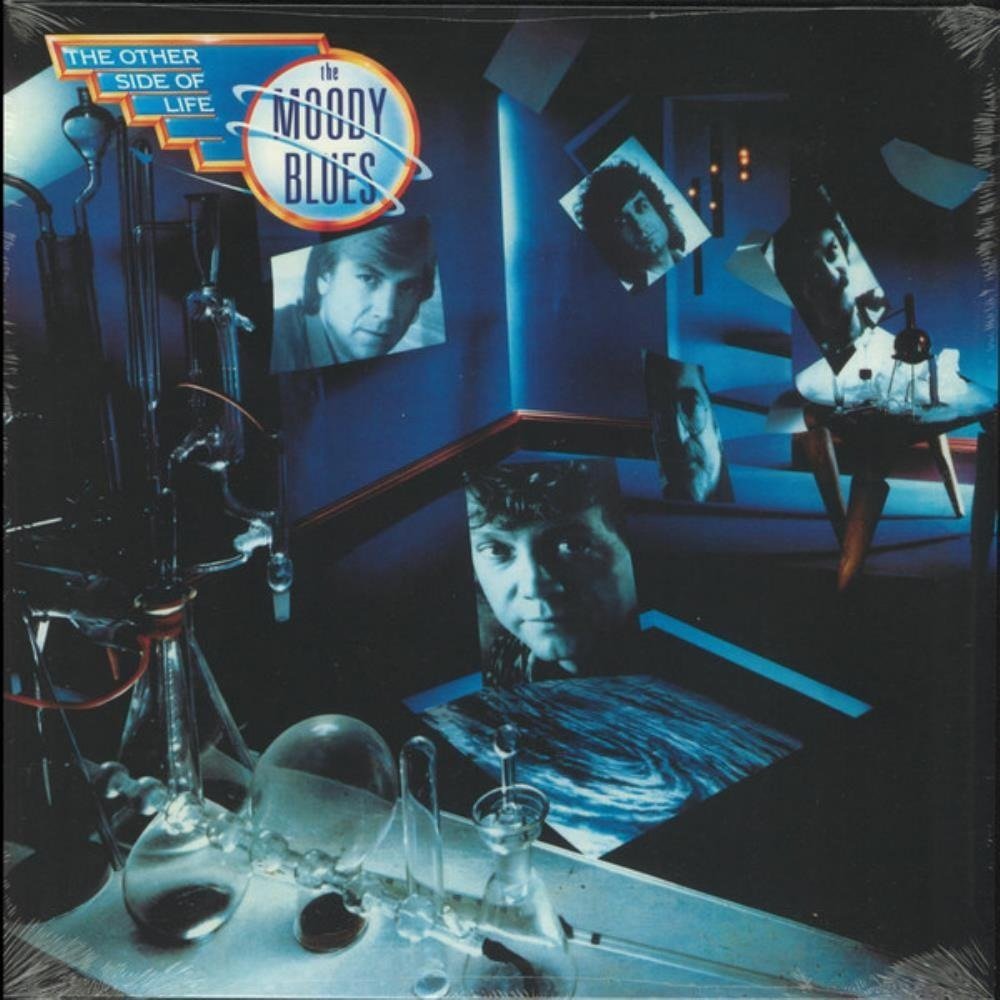
Explore The Other Side of Life to hear the song in its original album context.
Explore the album on AllMusic.

Which version should you choose?
If you want the original album experience, choose the album version. If you prefer a shorter listening experience, look for the single edit, since different editions have different running times.
You can also compare later compilation releases, which make it easier to explore the song alongside other well-known Moody Blues recordings.
Streaming availability, remastering, and regional catalogues can change over time, so check the release details before choosing a specific edition.
Conclusion: The Lasting Appeal of “Your Wildest Dreams”
The Moody Blues’ “Your Wildest Dreams” remains a memorable example of how a song can combine a contemporary sound with emotions that never go out of style. Released in 1986 and written by Justin Hayward, it brought together polished synthesizer production, a memorable melody, and a thoughtful look at love and the passage of time.
Its success on American charts helped the band connect with a wider audience during the 1980s. At the same time, the song retained the reflective quality that had long been part of the Moody Blues’ musical identity. Its place on The Other Side of Life also makes it an important part of the band’s shift toward a more modern pop-rock sound.
For longtime fans, the song can bring back memories of a particular era. For new listeners, it offers an accessible introduction to the band’s later work. Its message about remembering people and wondering how life might have unfolded differently remains easy to relate to, even decades after its release.
Ultimately, “Your Wildest Dreams” shows how strong songwriting and a distinctive melody can help a song remain meaningful across generations.
FAQs:
Who sang “Your Wildest Dreams”?
The Moody Blues performed “Your Wildest Dreams,” with Justin Hayward providing the lead vocals and writing the song. It became one of the band’s best-known hits of the 1980s.

Apple Music
When did The Moody Blues release “Your Wildest Dreams”?
The band released the single on April 9, 1986. The song was subsequently included on the album The Other Side of Life.
What is “Your Wildest Dreams” about?
The song explores memories of a past relationship, nostalgia, and the questions that can arise when people look back on earlier love. Its meaning can vary depending on the listener’s own experiences.
What album features “Your Wildest Dreams”?
The song appears on The Other Side of Life, a Moody Blues studio album released in 1986 and produced by Tony Visconti.
How successful was “Your Wildest Dreams” on the charts?
The song reached No. 9 on the US Billboard Hot 100 in July 1986. It also performed strongly on other US charts, including adult contemporary and rock listings.
Read More Posts:
- Achieving Dreams: How to Turn Your Goals Into Reality
- Cyberpunk Sweet Dreams: Complete Walkthrough, Choices, and Tips
- Dreams Cozumel: Resort Guide, Amenities & Travel Tips

Daniel Brooks is a passionate writer at WorldofDreamsz.Com specializing in dream meanings and spiritual interpretations. He aims to provide easy-to-understand insights that help readers find meaning and purpose in everyday life.


1 thought on “Your Wildest Dreams: The Story Behind the 1986 Hit”